
A Guide to Different Types of Gold
Discover how different types of gold vary by karat, color and durability, and find the best option for your jewelry and lifestyle.
Gold Jewelry
Gold remains one of the most popular metals for engagement rings, wedding bands, and fine jewelry. But not all gold is the same. The type of gold, its karat level, and its alloy composition all influence how it looks, feels, and performs over time.
In this guide, we'll break down the different types of gold, compare yellow, white, and rose gold, explain gold karats, and help you choose the right option for your lifestyle and personal style.
Gold Properties
- CompositionPure gold (Au), alloyed with copper, silver, zinc, palladium, nickel
- ColorAvailable in yellow, white, and rose gold, each offering a distinct tone and style.
- Hypoallergenic18K gold and above are generally more suitable for sensitive skin
- Common PuritiesMost gold jewelry comes in 24K, 22K, 21K, and 18K options.
Main Types of Gold
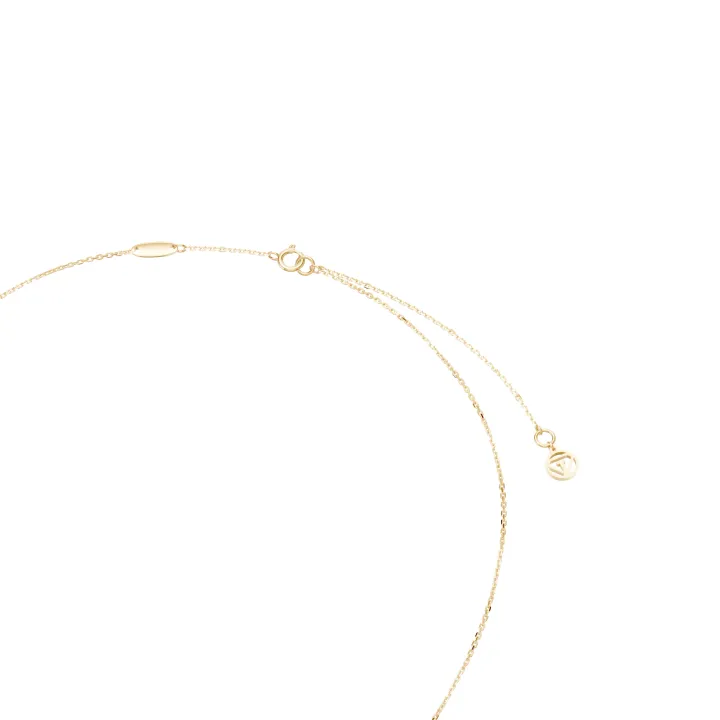
Yellow Gold
Yellow gold is the closest to gold's natural color. It has a rich, warm tone that has remained timeless across generations.
Yellow gold is typically alloyed with silver and copper to improve strength while preserving its classic golden appearance.
Rose Gold
Rose gold gets its blush-pink color from copper alloys. The higher the copper content, the richer the rose tone becomes. Its romantic and slightly vintage character has made it increasingly popular in modern fine jewelry.
White Gold
White gold offers a sleek and modern appearance. It is created by mixing gold with white metals such as palladium or silver and is often finished with rhodium plating for added brightness.
Yellow Gold
What is Yellow Gold?
Yellow gold is the most classic and traditional form of gold used in fine jewelry. Its warm and rich appearance closely resembles the natural color of pure gold, making it a timeless choice for engagement rings, wedding bands, and heirloom pieces.
- Yellow gold is created by blending pure gold with alloy metals such as silver, copper, and zinc.
- The alloy mixture improves durability while preserving gold's classic warm tone.
- Higher karat yellow gold contains a greater percentage of pure gold, resulting in a richer color.
Durability
- Durability depends largely on karat purity.
- 14K yellow gold offers stronger resistance to scratches and daily wear.
- 18K yellow gold has a richer appearance but a slightly softer composition.
- Over time, yellow gold may develop a subtle patina that adds depth and character.
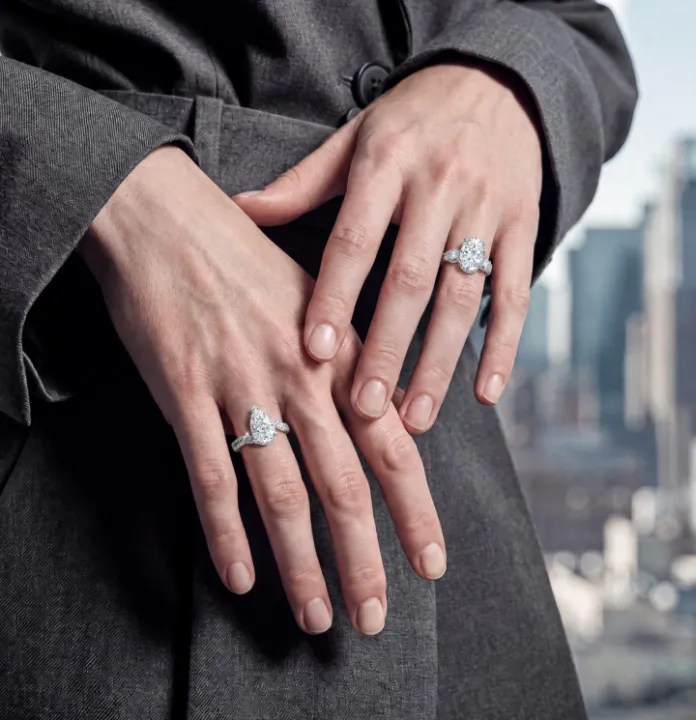
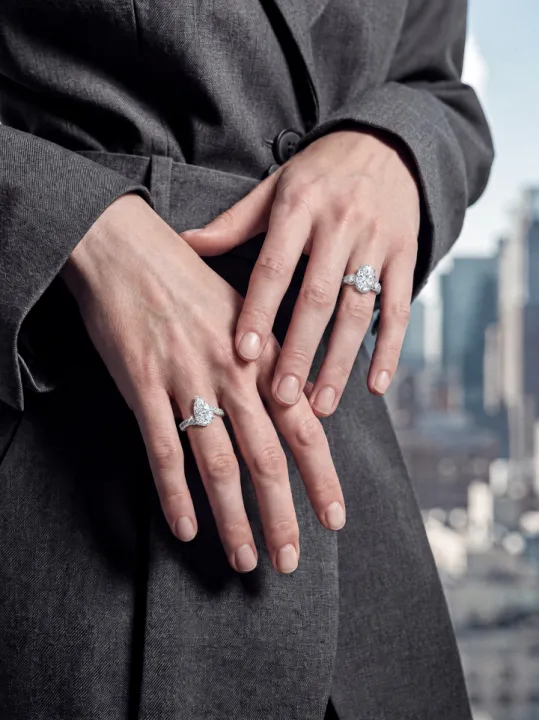
Pairing Yellow Gold with Diamond
- Yellow gold creates a warm and luxurious contrast with colorless diamonds.
- It can help slightly warmer diamond tones appear more balanced and harmonious.
- Pairs beautifully with oval, cushion, emerald, and round-cut diamonds.
- Especially popular in classic solitaire and vintage-inspired settings.


Rose Gold
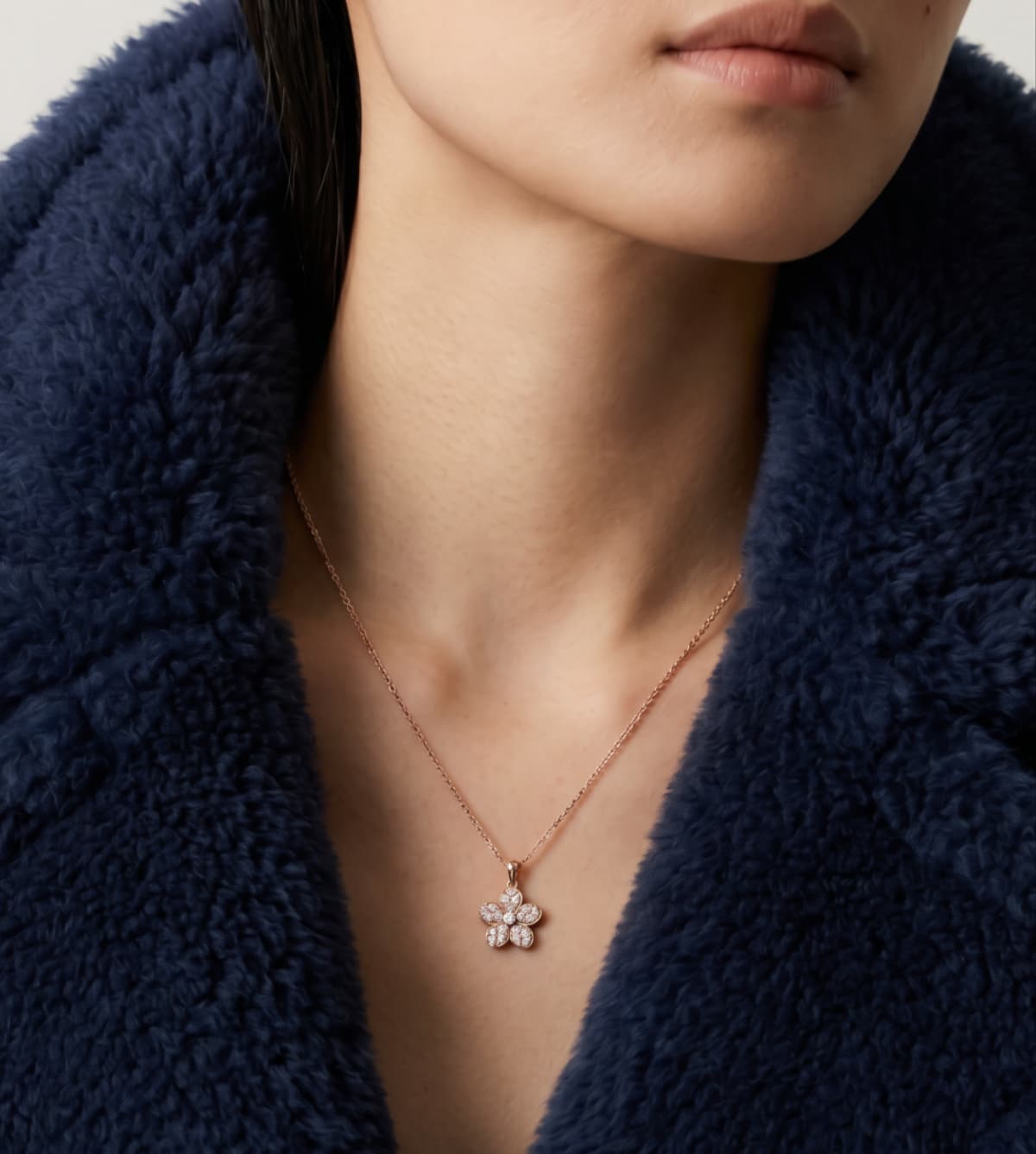
What is Rose Gold?
Rose gold is a blend of pure gold and copper alloys that creates its signature pink hue. Depending on the amount of copper used, the color can range from a soft blush tone to a deeper reddish-gold appearance.
Durability
- Rose gold is highly durable due to its copper alloy composition.
- The added copper strengthens the metal, making it resistant to daily wear.
- Ideal for engagement rings and jewelry worn regularly.
- A great option for active lifestyles and long-term durability.
Pairing Rose Gold with Diamond
- Rose gold gives diamonds a softer and more romantic appearance.
- Warm undertones pair beautifully with slightly warmer diamond colors.
- Works especially well with oval, pear, and cushion-cut diamonds.
- Complements champagne diamonds, morganite, and warm-toned gemstones beautifully.


White Gold
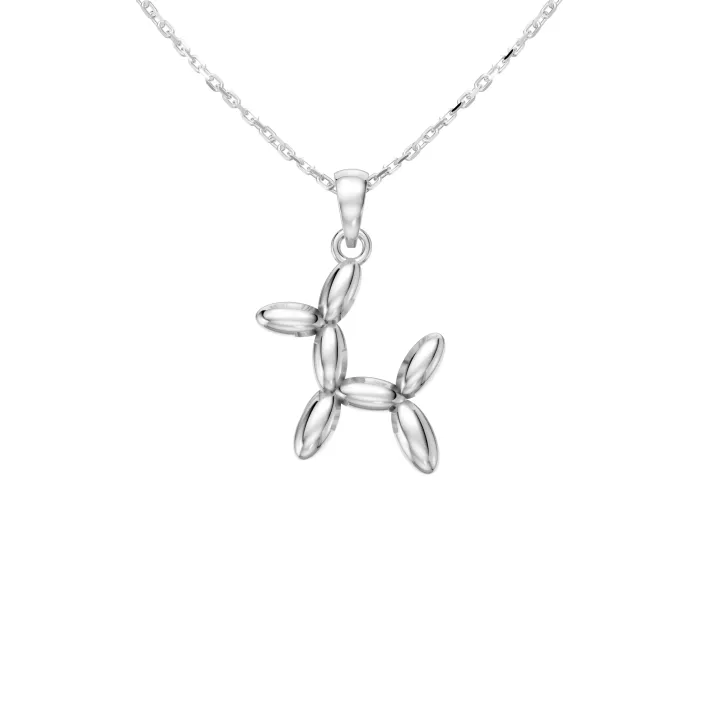
What is White Gold?
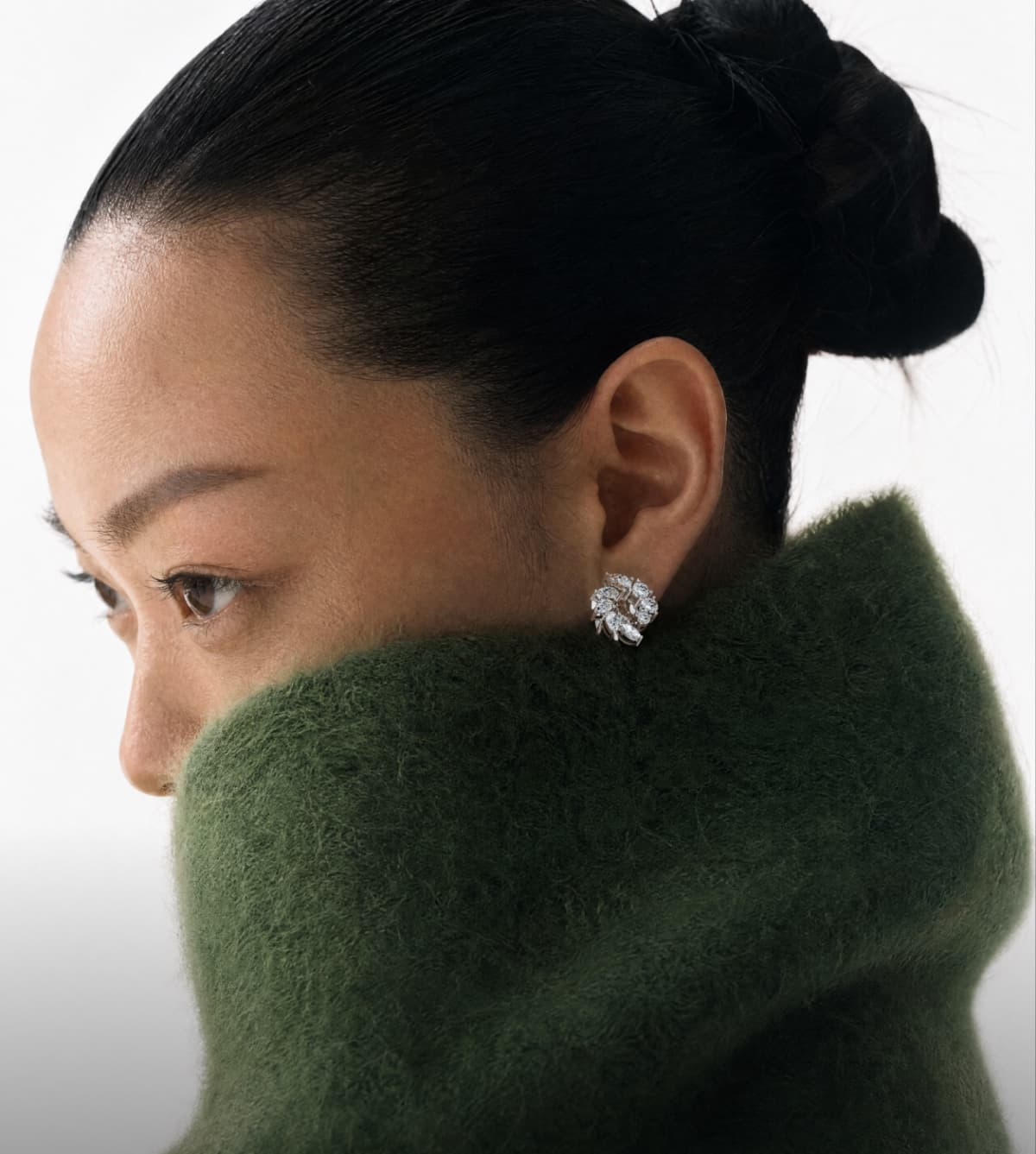
White gold is created by combining pure gold with white alloy metals such as palladium, silver, or nickel. The jewelry is then typically finished with rhodium plating, which enhances its bright white appearance and reflective shine.
Durability
- White gold is durable enough for everyday wear, especially in 14K compositions.
- Alloy metals strengthen the jewelry while maintaining a refined appearance.
- Rhodium plating adds brightness and extra scratch resistance.
- Over time, the plating may gradually wear and reveal a slightly warmer tone underneath.
White Gold vs Platinum vs Silver
- Platinum is naturally white, heavier, and more durable than white gold.
- Unlike white gold, platinum does not require rhodium replating.
- Silver is more affordable but softer and more prone to scratches and tarnishing.
- White gold offers a balance between luxury appearance, durability, and value.
Pairing White Gold with Diamond
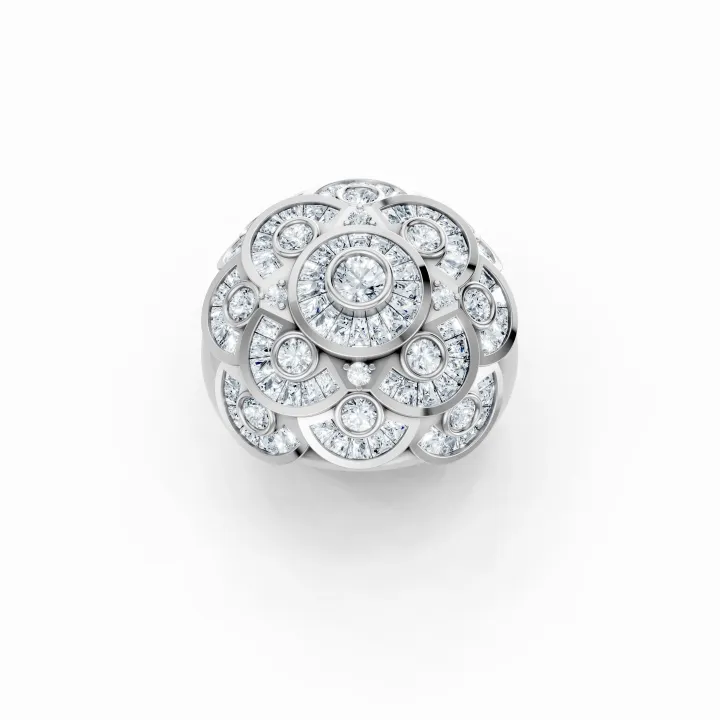
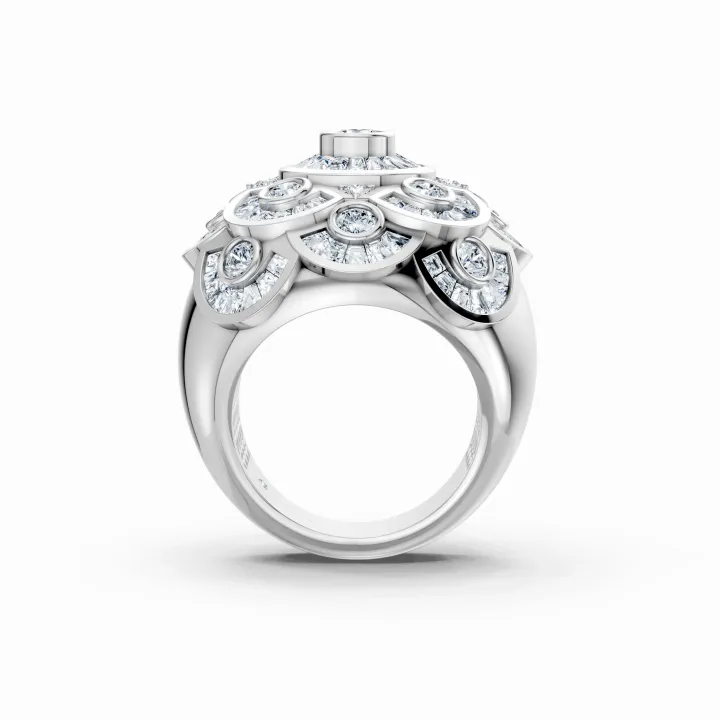
- White gold enhances diamond brilliance with its bright neutral tone.
- Creates a seamless look that makes diamonds appear larger and brighter.
- Especially effective with colorless and high-clarity diamonds.
- Pairs exceptionally well with round, princess, radiant, and emerald-cut diamonds.
Gold Karat Comparison Chart
| Feature | Yellow Gold  | Rose Gold  | White Gold  |
|---|---|---|---|
| Appearance | Warm & classic | Romantic pink hue | Bright white finish |
| Durability | Moderate | Strong | Strong |
| Maintenance | Low | Low | Moderate |
| Diamond enhancement | Warm contrast | Soft romantic tone | Maximum brilliance |
| Style | Timeless | Vintage-modern | Contemporary |
Understanding Gold Karats
Gold purity is measured in karats (K). The higher the karat, the more pure gold the jewelry contains.
24K Gold
24K gold is nearly pure gold with an intense yellow color and luxurious appearance. While highly valuable, its softness makes it less suitable for everyday jewelry.
22K Gold
22K gold contains a high percentage of pure gold, offering a rich color with slightly improved durability compared to 24K. It is commonly used in traditional and fine jewelry.
21K Gold
21K gold balances rich gold color with better strength for wearable jewelry. Popular in Middle Eastern jewelry, it offers a luxurious appearance with added durability.
18K Gold
18K gold contains 75% pure gold, combining deep color with strong durability. It is a popular choice for luxury jewelry, engagement rings, and everyday fine pieces.
14K Gold
14K gold contains 58.3% pure gold. It is one of the most popular choices for fine jewelry because it balances beauty, strength, and affordability.
10K Gold
10K gold contains 41.7% pure gold. It is more durable and budget-friendly but has a lighter gold appearance.

Gold Karat Comparison Chart
Care & Maintenance
Yellow Gold
- Low maintenance and naturally resistant to tarnishing.
- Does not require rhodium replating.
- Clean regularly with mild soap and warm water.
- Store separately to reduce scratches from harder metals.
Rose Gold
- Naturally retains its color and requires minimal maintenance.
- Does not need replating over time.
- May develop a slightly deeper tone with age due to copper content.
- Occasional polishing helps maintain its shine and luster.
White Gold
- Requires more maintenance due to rhodium plating wear.
- Professional replating may be needed every few years.
- Regular cleaning helps preserve brightness and shine.
- Proper storage reduces scratches and surface wear.
Discover Gold Jewelries at iDiamond
From the timeless warmth of yellow gold to the sleek elegance of white gold and the romantic tone of rose gold, our jewelry is designed for modern lifestyles with exceptional craftsmanship.
Gold Jewelry Guide FAQs
iDiamond is a Dubai fine-jewelry house combining Italian design flair with local craftsmanship. We pair IGI or GIA-certified diamonds, including sustainable lab-grown options, with concierge service and transparent pricing, delivering personalized elegance across the UAE.
Higher karat gold, such as 18K or 24K gold, is generally better for sensitive skin because it contains a larger percentage of pure gold and fewer alloy metals. Platinum is also an excellent hypoallergenic option. If choosing white gold, nickel-free alloys are often recommended for people with metal sensitivities.
White gold itself does not fade, but the rhodium plating used to enhance its bright white finish can gradually wear down with everyday use. Over time, the jewelry may reveal a slightly warmer tone beneath the surface. Many people choose professional rhodium replating every few years to restore the original brilliance and maintain its polished appearance.
Rose gold is generally considered the most durable gold color because copper strengthens the alloy composition. White gold is also highly durable due to the metals used in its alloy blend and protective rhodium finish. Yellow gold, especially in higher karats like 18K or 24K, tends to be softer because of its higher pure gold content.
Neither is necessarily better — it depends on your priorities. 18K gold contains more pure gold, giving it a richer color and more luxurious appearance. It is also more hypoallergenic due to its higher gold content. However, 14K gold is more durable and resistant to everyday wear, making it a practical option for daily jewelry and active lifestyles.
White gold is often preferred for maximizing a diamond's brilliance because its bright white tone reflects light similarly to the diamond itself. This creates a seamless and highly reflective appearance that enhances sparkle. Yellow and rose gold offer warmer contrasts that create a softer and more romantic look around the diamond.
Pure gold does not tarnish, but lower karat gold alloys may develop slight discoloration over time due to the presence of other metals. Regular cleaning and proper storage help maintain the jewelry's shine and appearance. Compared to silver, gold jewelry is far more resistant to tarnishing and corrosion.
Join the iDiamond
Community
on Instagram
Connect with a Diamond Expert
Our Diamond Experts are ready to help you find the perfect engagement ring.
- Call Us Now